
Why Seniors Are the #1 Target for Cybercrime

Why Seniors Are the #1 Target for Cybercrime
Americans over 60 lost nearly $5 billion to online scams in 2024 - more than any other age group. Behind every statistic is a real person: a grandparent, a neighbor, a retired teacher. Someone who worked hard their entire life only to have it taken away by a scammer halfway around the world.
This is not an awareness problem. It's an education problem. And it's one we can solve.
The Numbers Don't Lie
According to the FBI's Internet Crime Complaint Center (IC3) 2024 Annual Report, Americans over 60 filed 147,127 complaints and reported $4.885 billion in losses, a staggering 43% increase from 2023. The average loss per victim was $83,000. For many seniors, that's a retirement account. A life's savings. Gone.
And those numbers only reflect what gets reported. The FBI estimates the real figure is significantly higher, because many seniors never come forward - out of embarrassment, confusion, or simply not knowing where to turn.
Why Are Seniors Targeted?
Scammers are strategic. They go where the money is - and they go where defenses are lowest. Seniors represent both.
Accumulated wealth. Seniors are more likely to own homes, have retirement savings, and carry fewer debts than younger adults. They are perceived, correctly, as financially stable targets.
Less familiarity with evolving threats. Most seniors did not grow up with smartphones, phishing emails, or AI-generated voice clones. The tactics scammers use today — spoofed caller IDs, deepfake voices, urgent text messages - are designed to exploit exactly that gap.
Politeness and trust. Research consistently shows that older adults tend to be more trusting and less likely to abruptly hang up on someone - even a scammer. That politeness is weaponized.
Isolation. Seniors who live alone or have limited social contact are more vulnerable to scammers who pose as friends, family members, or government officials. Sometimes, a scammer is the most consistent voice they hear.
No cybersecurity training. Every corporate employee gets cybersecurity training. Seniors don't. There is no institutional framework that reaches older adults with the practical, up-to-date skills they need to protect themselves online.
The Real Cost Goes Beyond Money
Financial losses are devastating - but they are not the only cost. Seniors who are scammed often experience deep shame, depression, and loss of independence. Many are reluctant to tell their families. Some lose their homes. The emotional toll of being deceived by someone you trusted is profound and lasting.
What We Can Do About It
Awareness campaigns are not enough. Telling seniors "be careful online" does not give them the skills to recognize a spoofed email, verify a suspicious call, or create a strong password. What works is structured, curriculum-based education - the kind that builds real habits and changes real behavior.
That is exactly what StayCyberSafe was built to do.
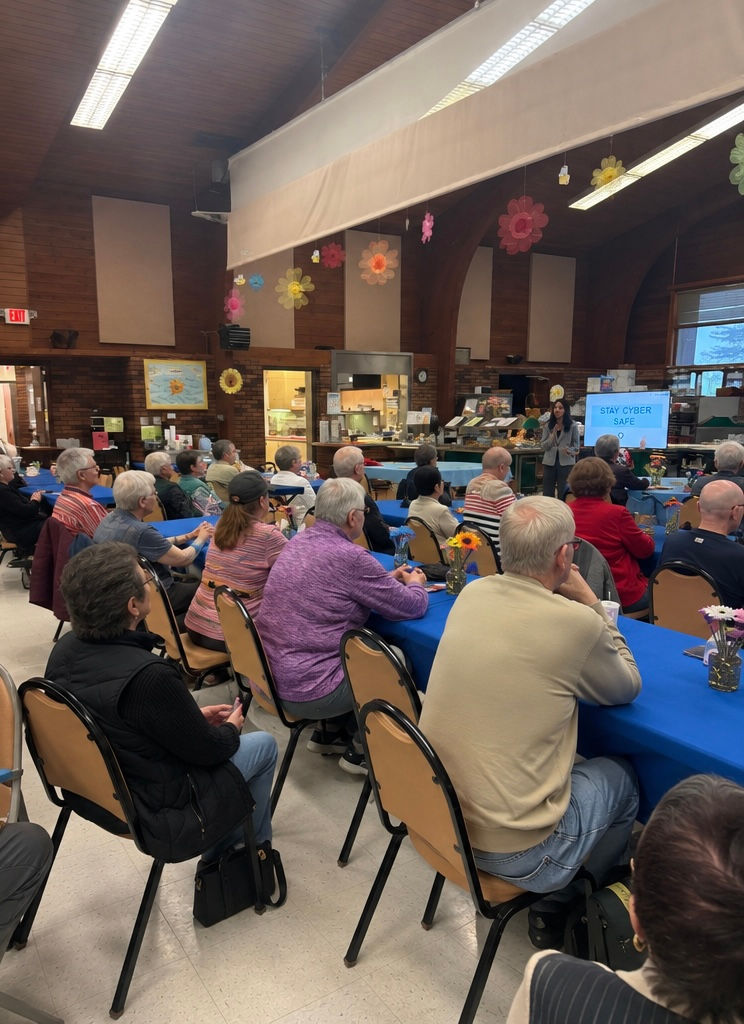
Our student volunteers conduct free, in-person workshops at senior living centers - teaching practical skills in plain, jargon-free language. No tech background required. No condescension. Just real tools for real threats.
Because seniors deserve the same cybersecurity education that corporations give their employees. And they deserve it for free.
What You Can Do Today
Download the free StayCyberSafe app - search "StayCyberSafe" on the Apple App Store
Schedule a free workshop for your senior community at staycybersafe.us
Share this post with someone who needs it
Report scams to your local police and the FBI at IC3.gov
Sources: FBI IC3 2024 Annual Report, FBI Elder Fraud Statistics 2024


Comments